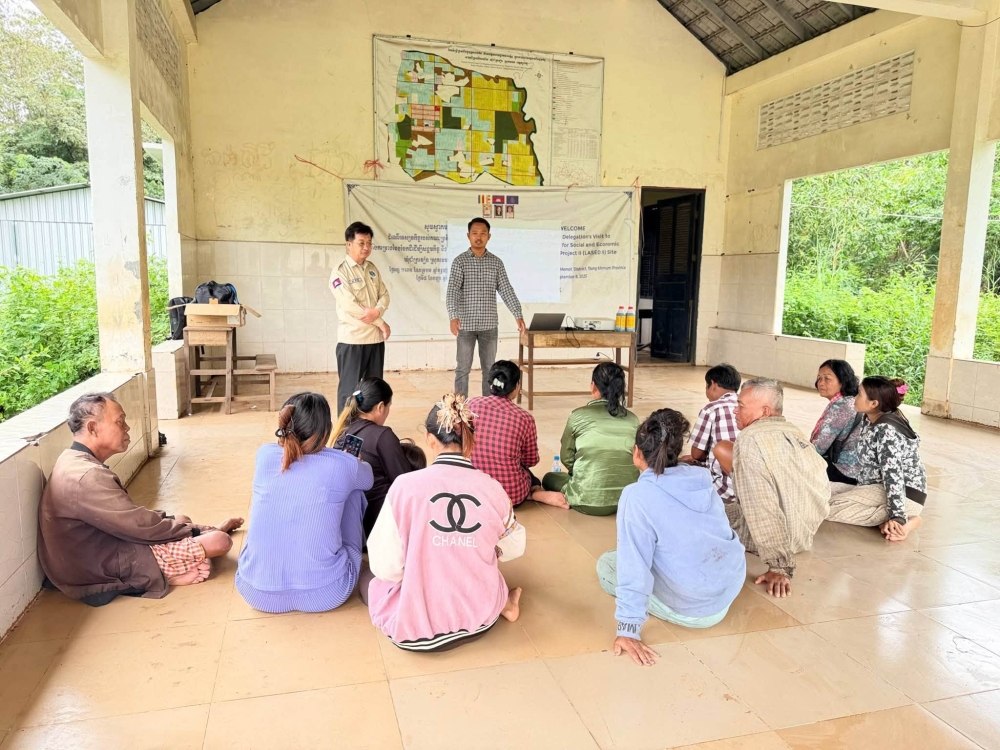
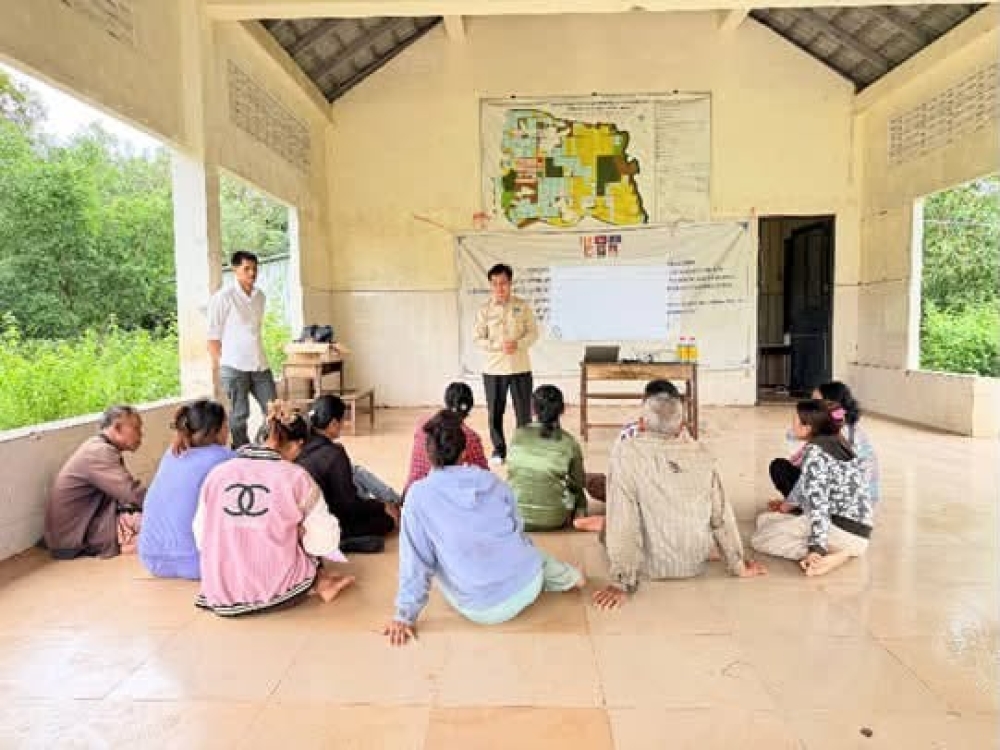
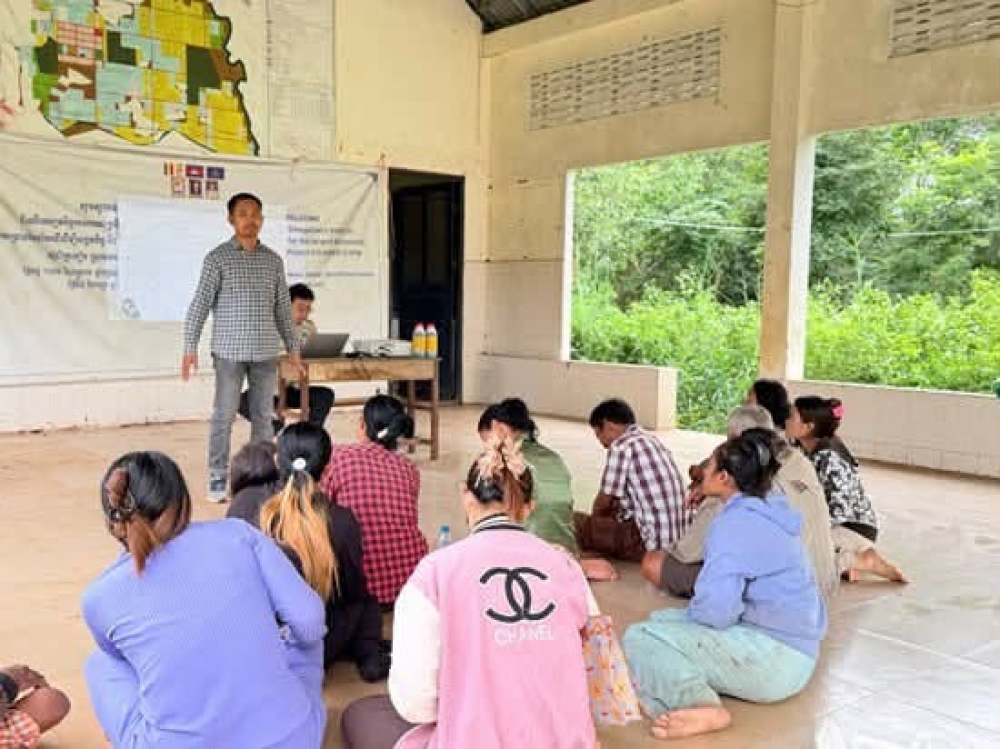
ចាប់ពីថ្ងៃទី ១៧–១៩ ខែកញ្ញា ឆ្នាំ២០២៦ មន្ត្រីមន្ទីរកសិកម្ម រុក្ខាប្រមាញ់ និងនេសាទខេត្តត្បូងឃ្មុំ ក្នុងការអនុវត្តគម្រោង LASED III បានចុះពង្រឹង និងតម្រង់ទិសបច្ចេកទេស ព្រមទាំងស្រង់ទិន្នន័យសត្វមាន់របស់ក្រុមចិញ្ចឹមមាន់ នៃគម្រោង LASED II នៅភូមិស្រែលើសែនជ័យ ឃុំជាំក្រវៀន ស្រុកមេមត់ ខេត្តត្បូងឃ្មុំ។
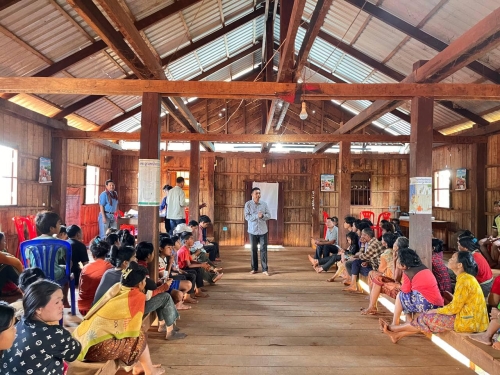
សកម្មភាពនេះមានការចូលរួមពីសមាជិកក្រុមចិញ្ចឹមមាន់ចំនួន ១២នាក់ ក្នុងនោះស្ត្រី ៦នាក់ ដោយបានពិភាក្សា និងផ្តល់ការណែនាំអំពីបញ្ហាប្រឈមដែលកសិករជួបប្រទះ ដូចជា ការប្រែប្រួលអាកាសធាតុ កូនមាន់ងាប់ រាគ និងបញ្ហាសុខភាពផ្សេងៗរបស់មាន់។
ក្រុមការងារបានណែនាំអំពីវិធានការថែទាំ និងការពារជំងឺ ដោយផ្តោតលើការរក្សាអនាម័យទ្រុង ស្នូកចំណី និងស្នូកទឹក ការបាញ់ថ្នាំសម្លាប់មេរោគ ការប្រើប្រាស់កំបោរកសិកម្ម ការចាក់វ៉ាក់សាំង និងការផ្តល់វីតាមីនតាមតម្រូវការ ព្រមទាំងណែនាំវិធីការពារកូនមាន់ក្នុងអំឡុងពេលអាកាសធាតុត្រជាក់។
តាមការស្រង់ទិន្នន័យ ក្រុមមានមាន់មេចំនួន ២២៣ក្បាល មាន់សម្រាប់បង្កាត់ពូជ ៨១ក្បាល មាន់ជំទង់ ៣៣២ក្បាល និងកូនមាន់ទើបញាស់ ៥១៣ក្បាល។ ក្នុងត្រីមាស ក្រុមបានលក់មាន់ចំនួន ២៣៧ក្បាល ទៅកាន់ទីផ្សារក្នុងស្រុក ដោយមិនរាប់បញ្ចូលមាន់ដែលប្រើប្រាស់ជាអាហារក្នុងគ្រួសារ។
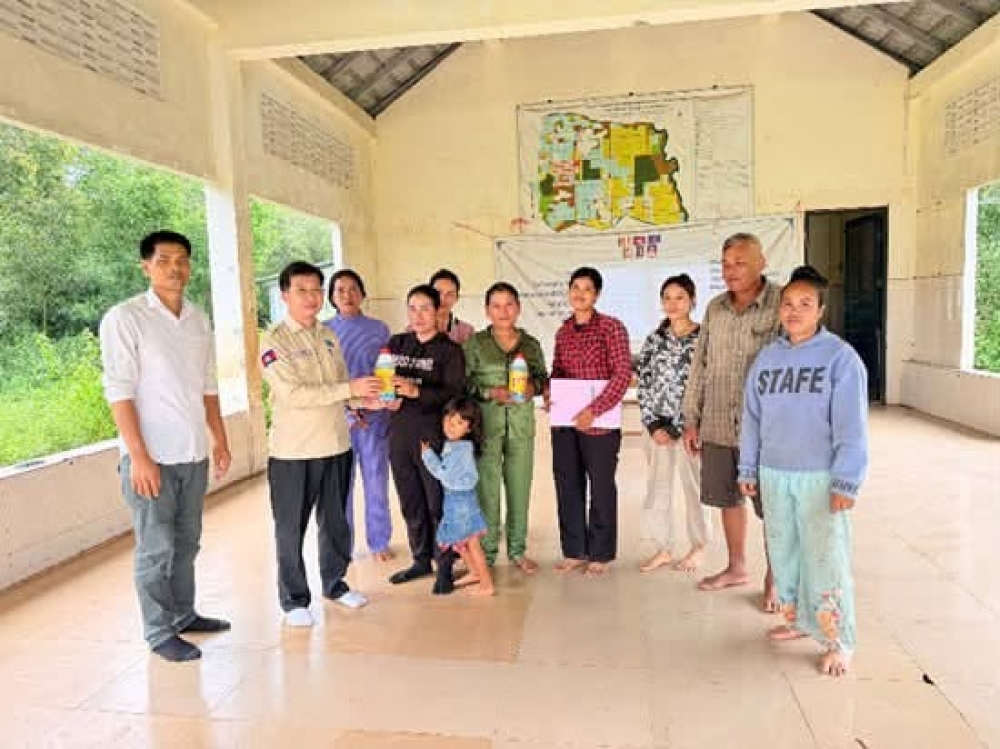
ជាមួយគ្នានេះ ក្រុមការងារបានផ្តល់ថ្នាំសម្លាប់មេរោគចំនួន ៥លីត្រ និងចុះណែនាំជាក់ស្តែងអំពីការបាញ់សម្លាប់មេរោគតាមទ្រុងមាន់ ដើម្បីរួមចំណែកកាត់បន្ថយហានិភ័យនៃជំងឺ និងលើកកម្ពស់សុខភាពសត្វមាន់។
---
Strengthening Chicken Farming Techniques and Data Collection under the LASED III Project in Tboung Khmum Province
From September 17–19, 2026, officials from the Tboung Khmum Provincial Department of Agriculture, Forestry and Fisheries (implementing the LASED III project) conducted a field visit to provide technical orientation and collect poultry data from the LASED II chicken farming group in Srae Leu Saen Chey village, Choam Kravien commune, Memot district, Tboung Khmum province.
The activity was attended by 12 farming group members (including 6 women). The team discussed and provided guidance on challenges farmers face, such as climate change, chick mortality, diarrhea, and other poultry health issues.
The working group introduced proper care and disease prevention measures, emphasizing the importance of maintaining hygiene in coops, feeding troughs, and water dispensers. They also instructed farmers on disinfection practices, the use of agricultural lime, vaccinations, providing necessary vitamins, and ways to protect chicks during cold weather.
According to the collected data, the group currently raises 223 hens, 81 breeding chickens, 332 young chickens, and 513 newly hatched chicks. In this quarter, the group sold 237 chickens to the local market, not including those consumed by their own households.
Additionally, the team provided 5 liters of disinfectant and conducted a hands-on demonstration on how to properly spray the chicken coops to help reduce disease risks and improve poultry health.