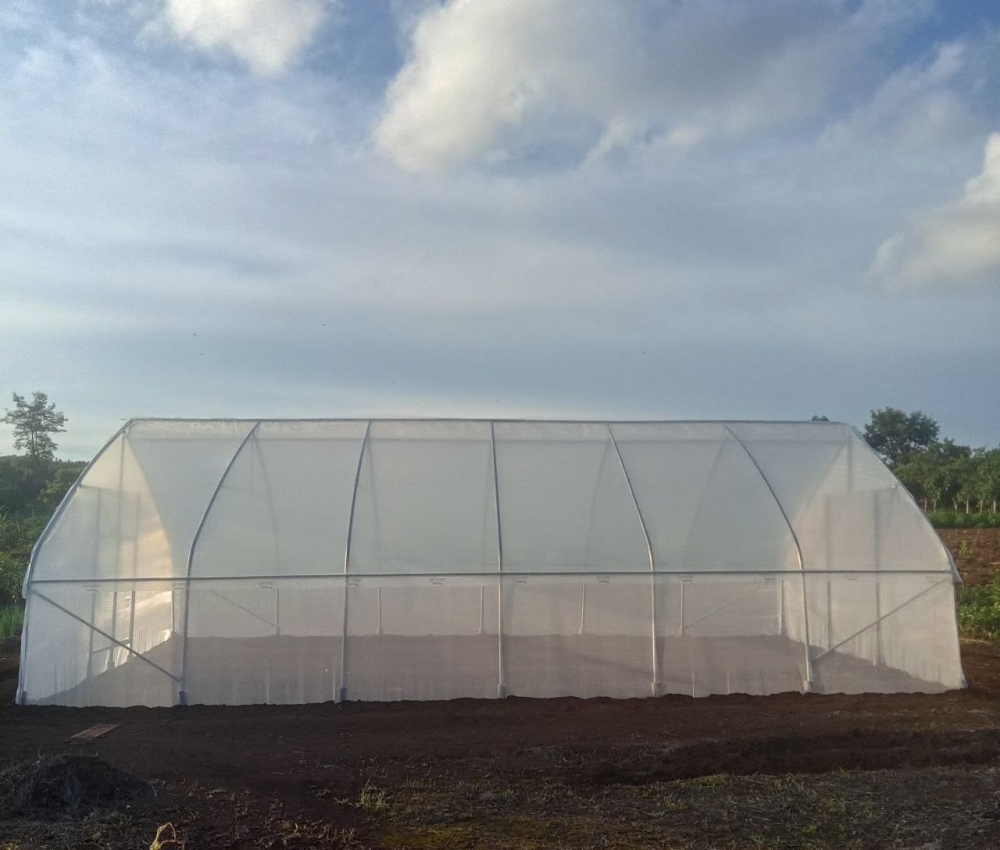
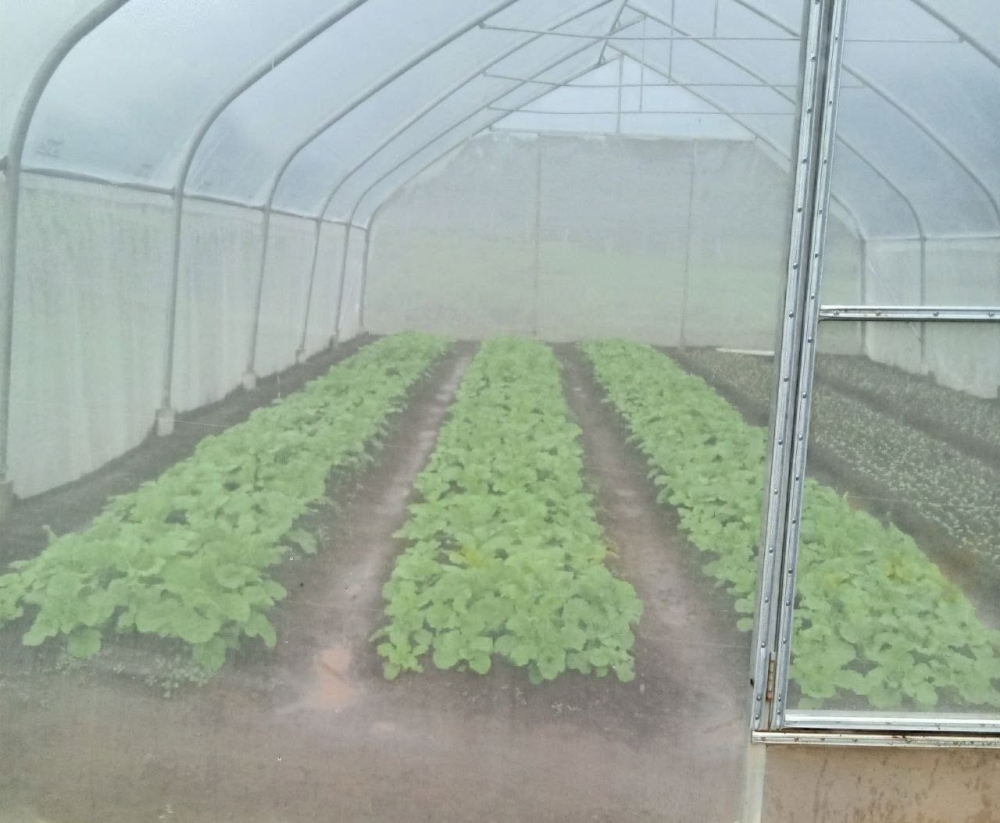
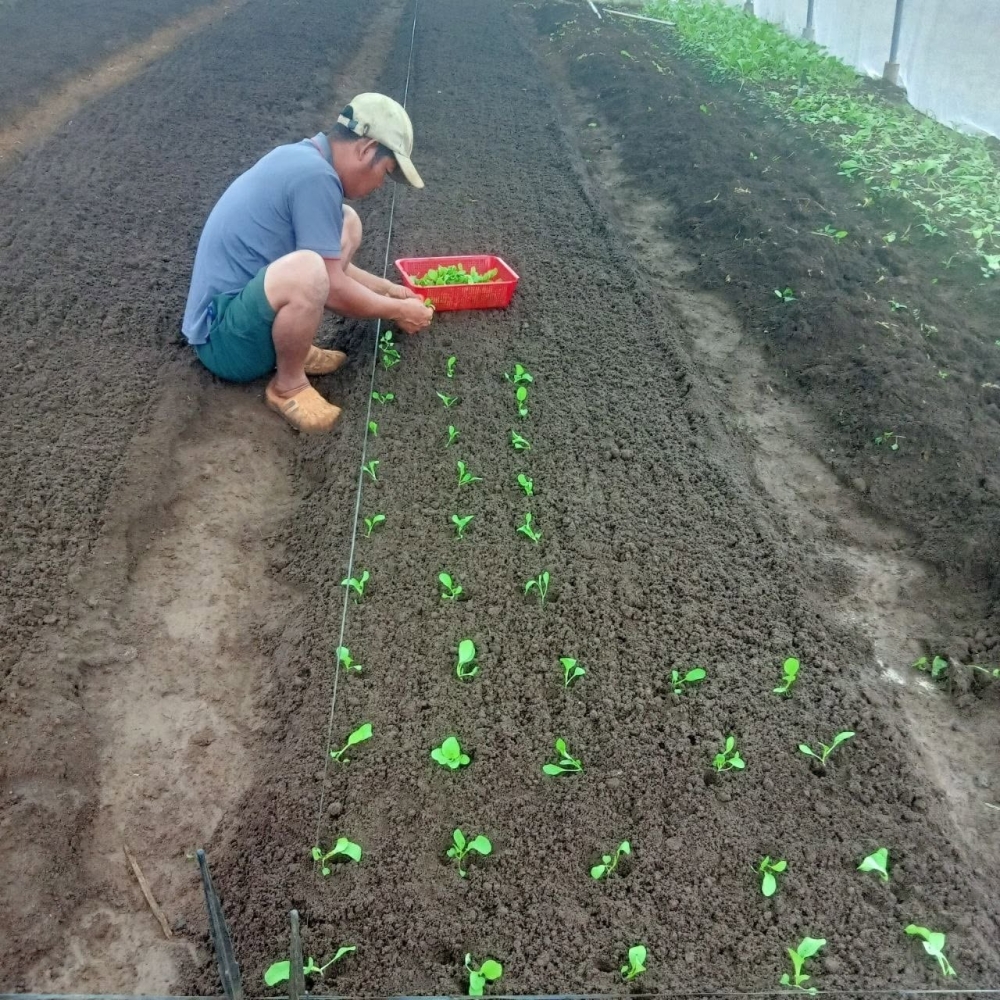
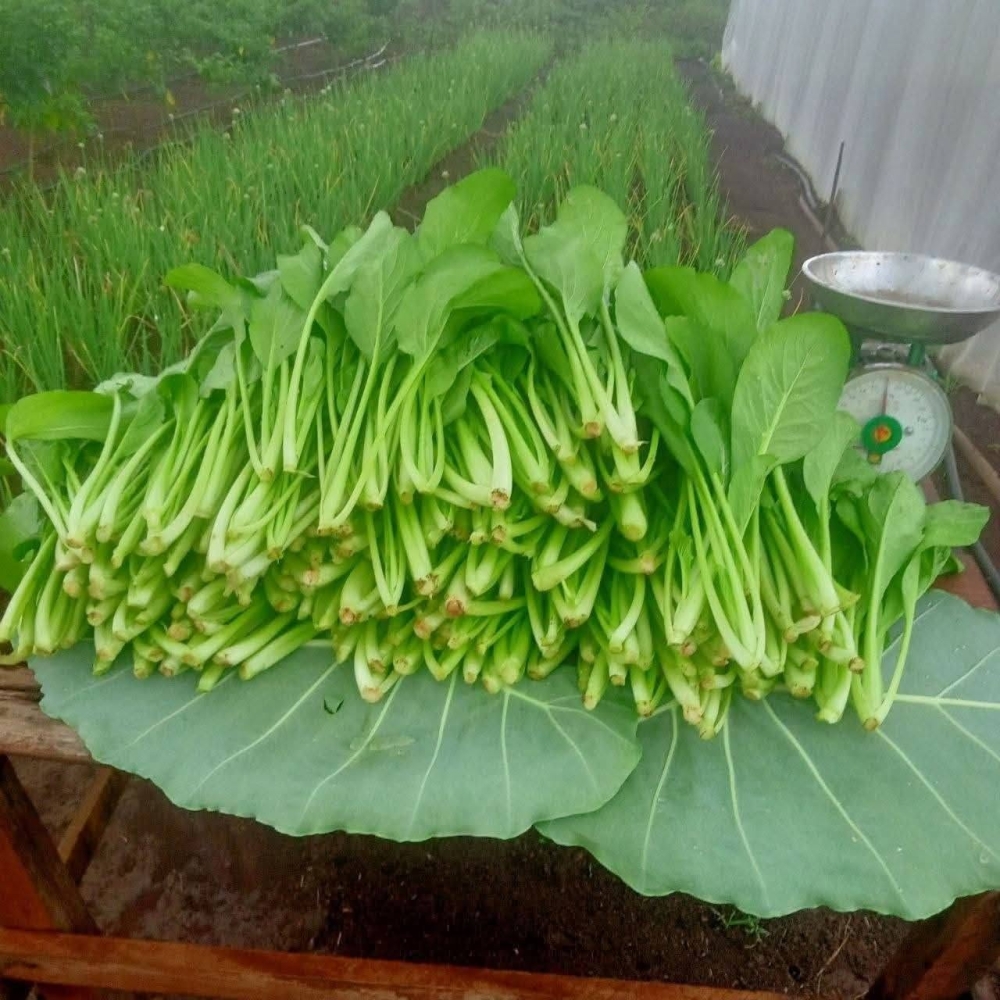
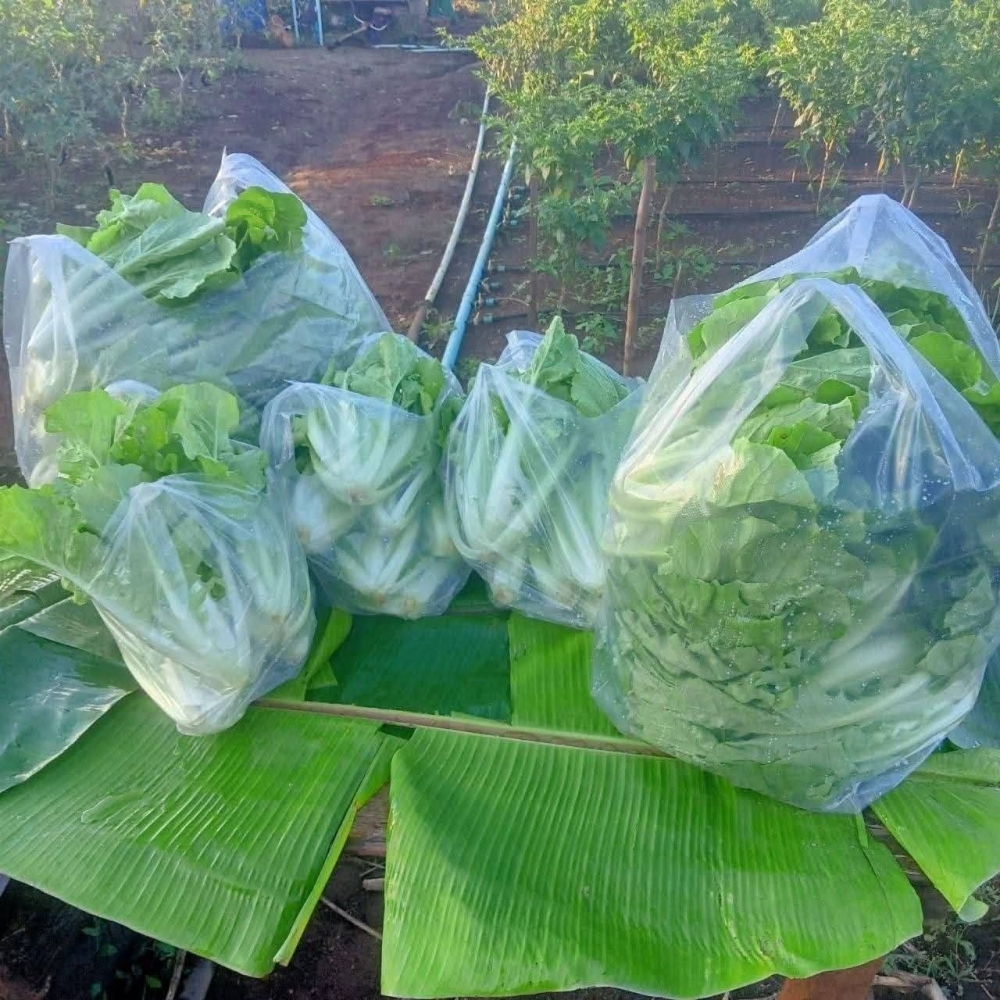
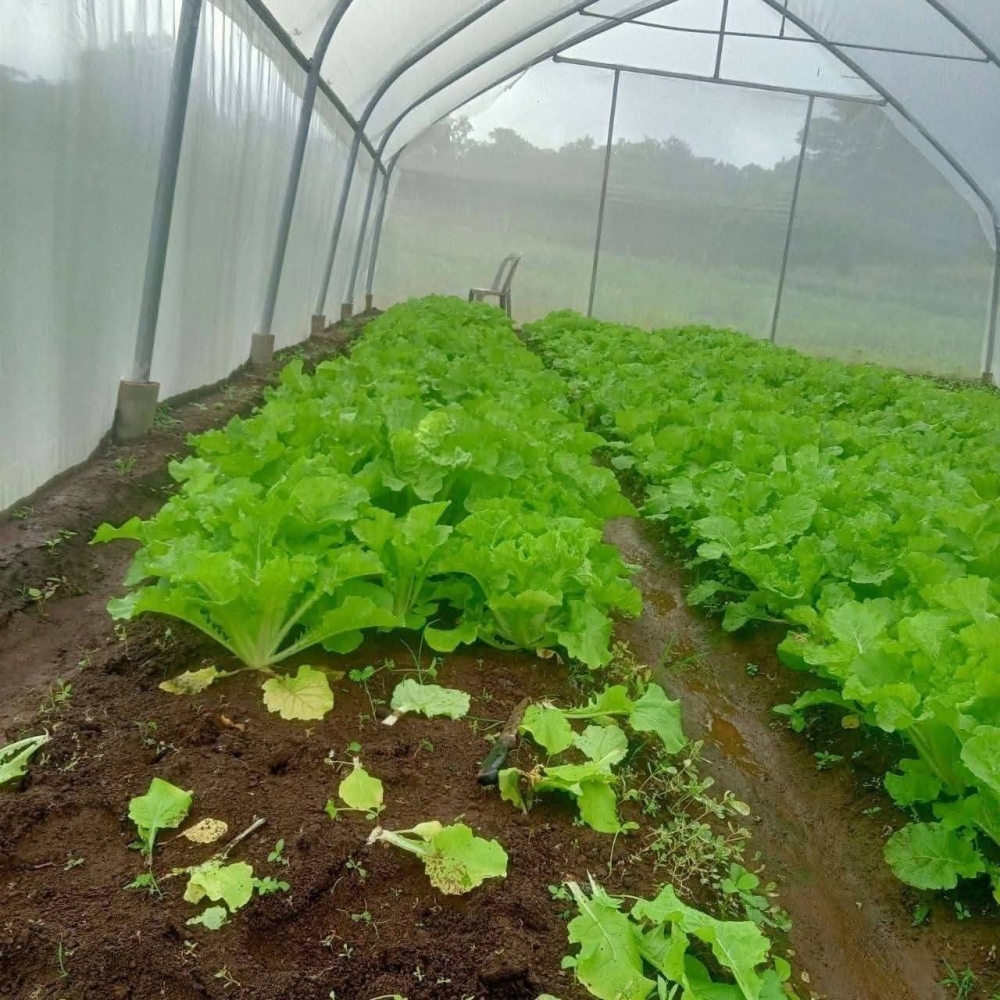
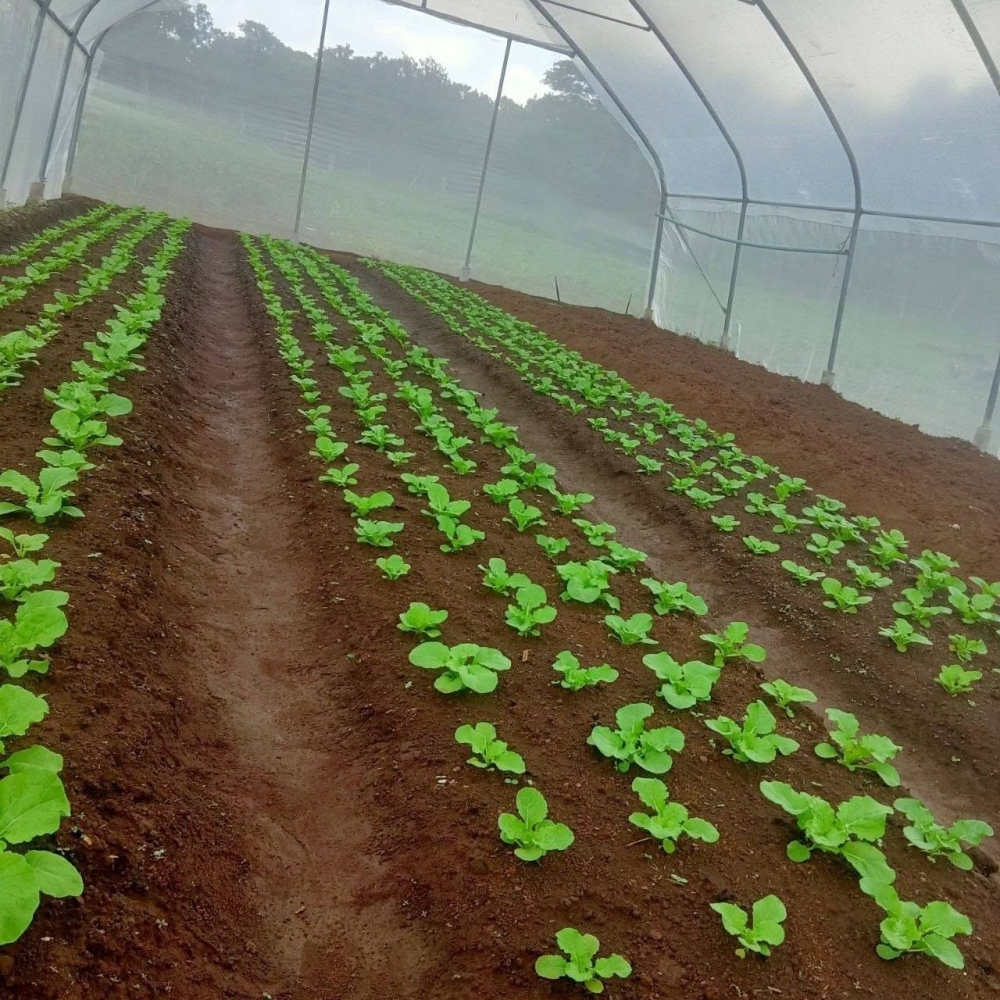
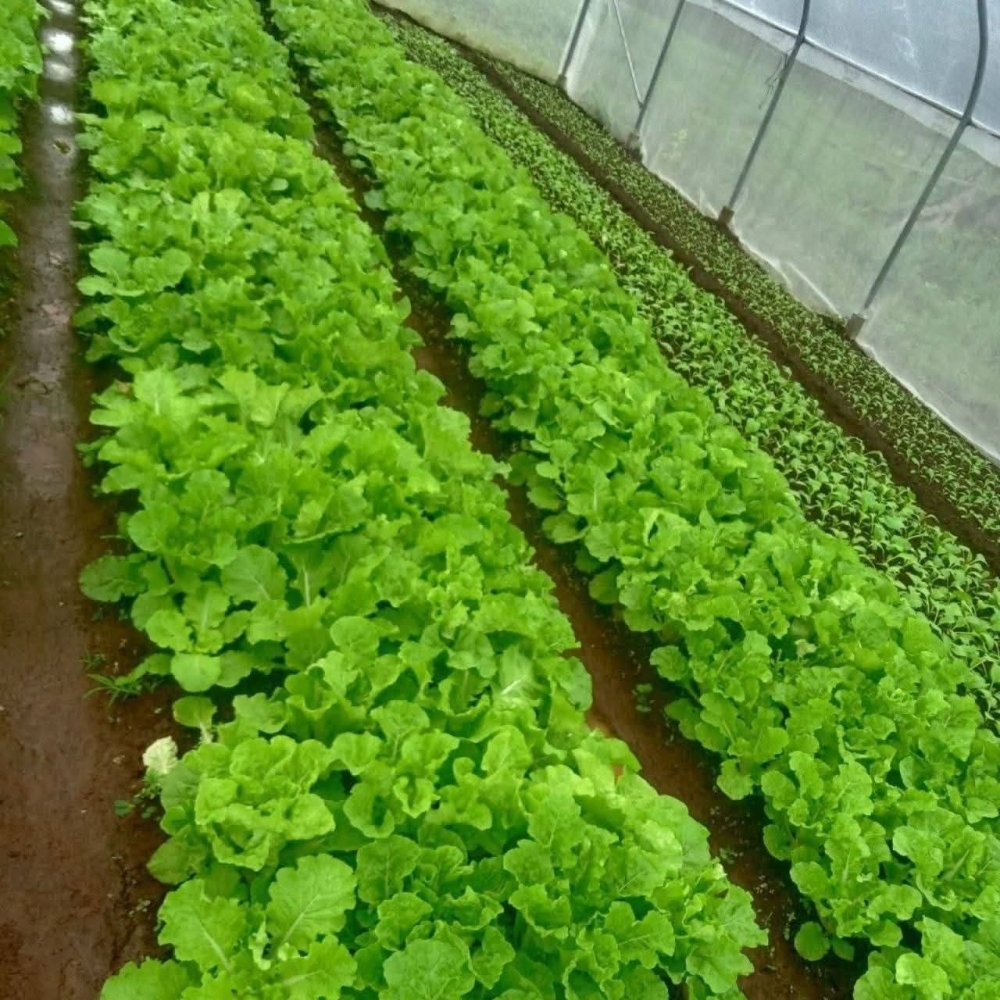
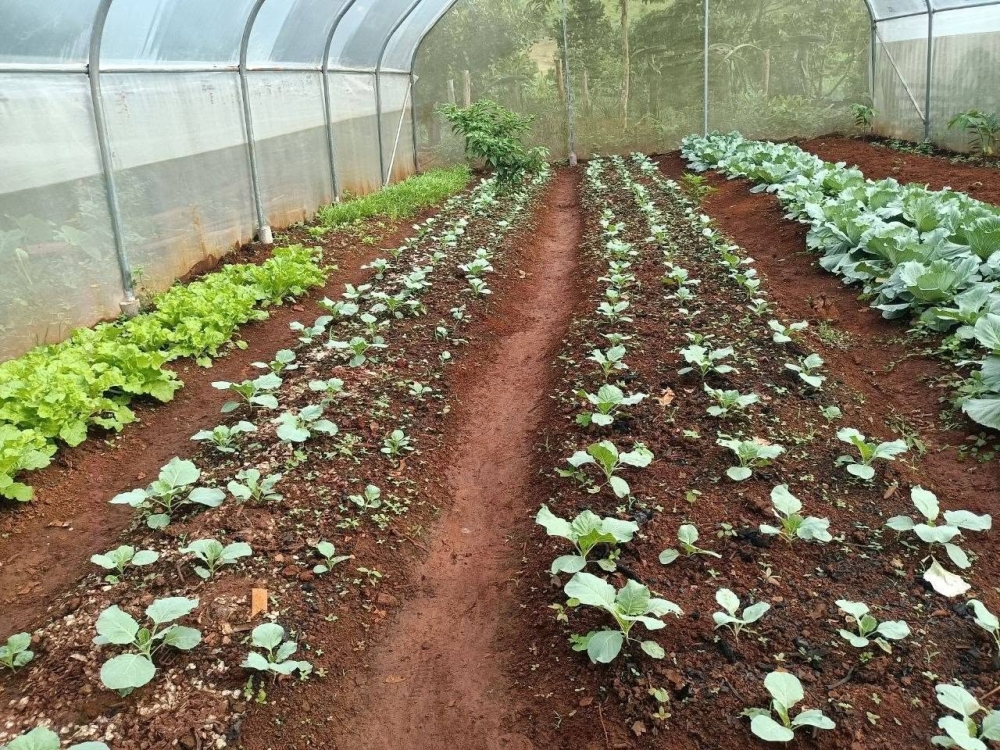
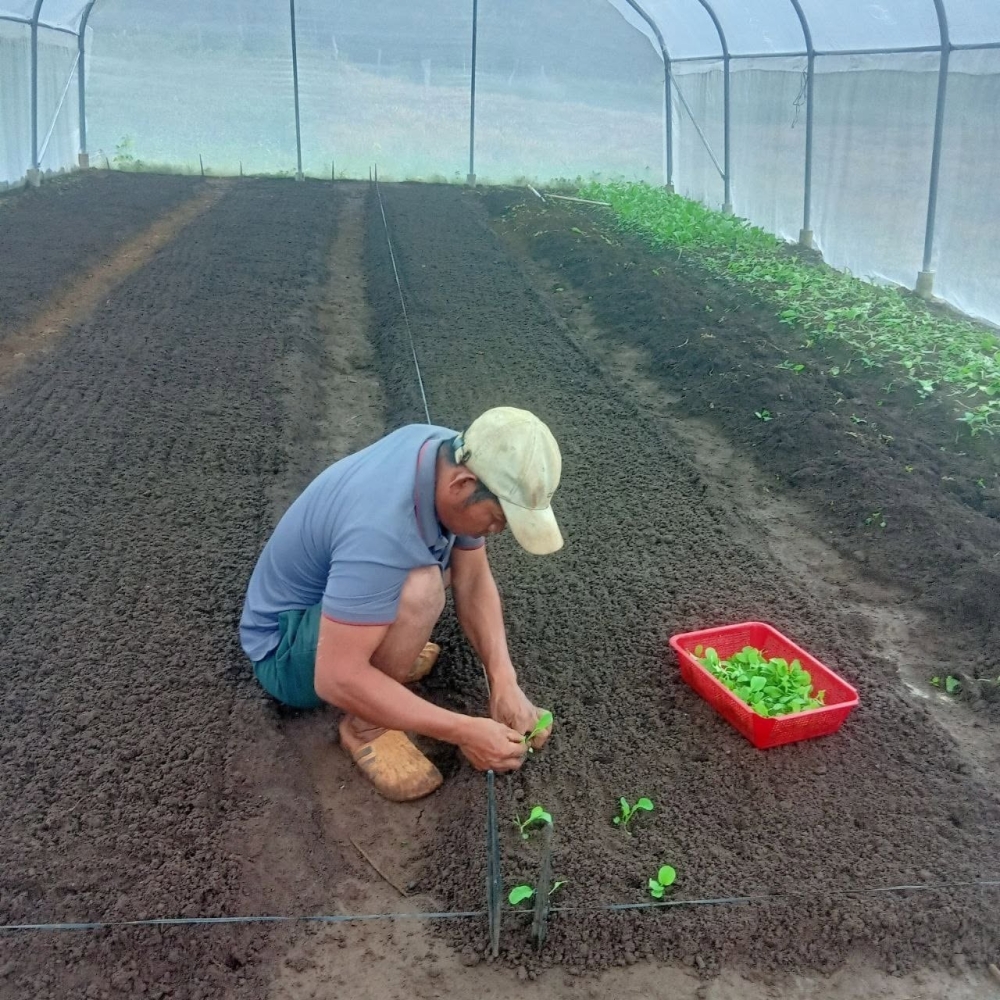
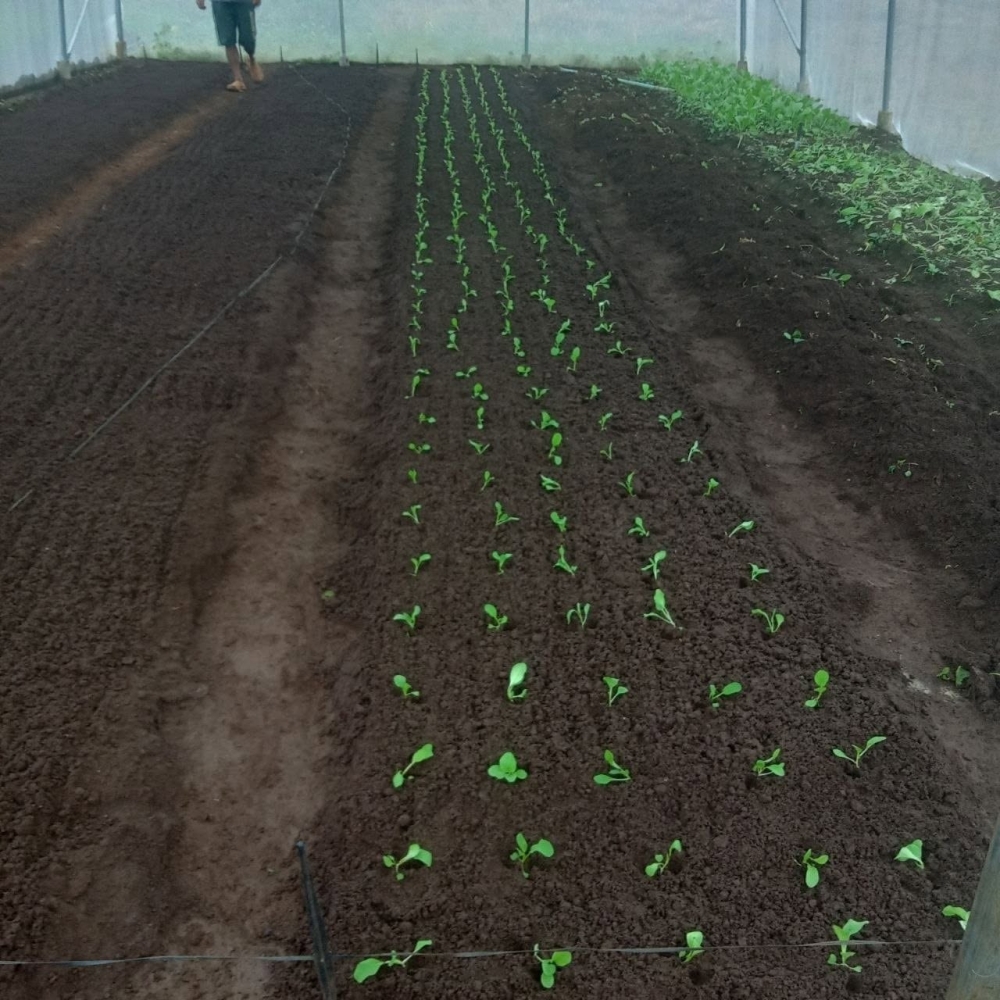
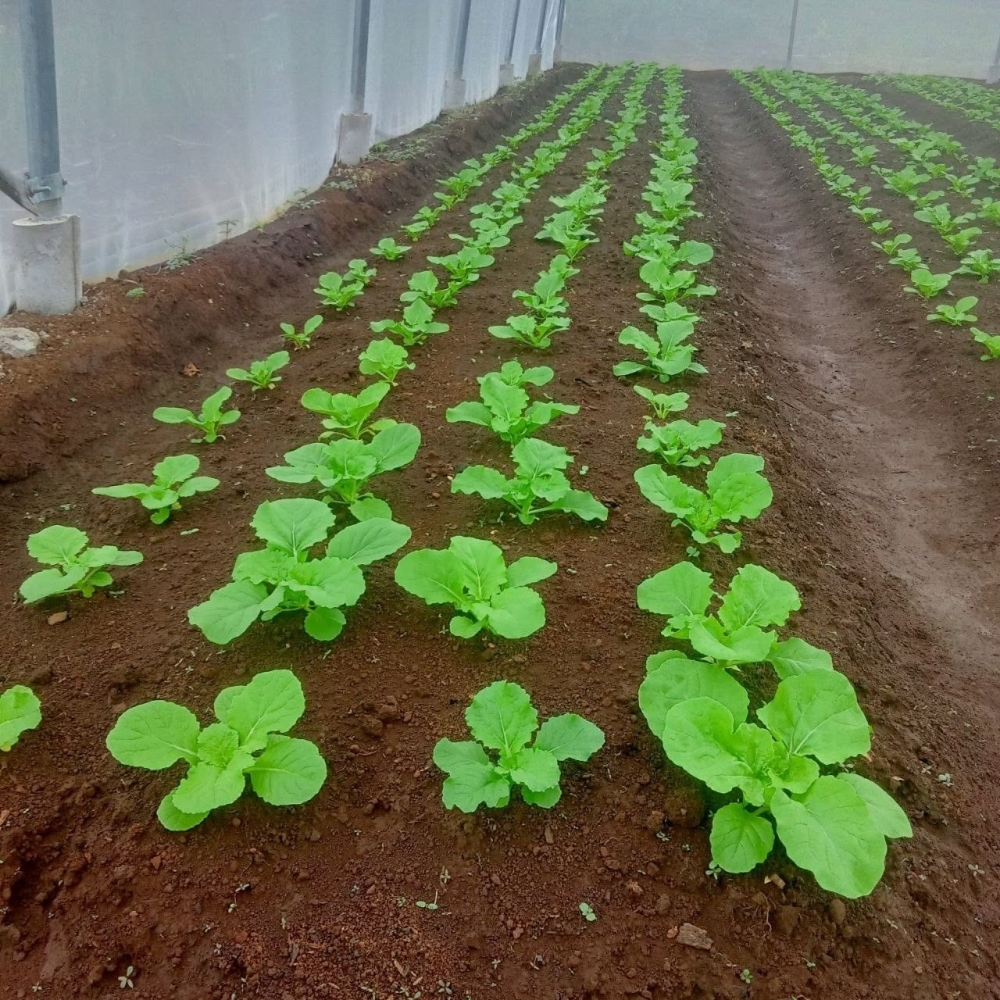
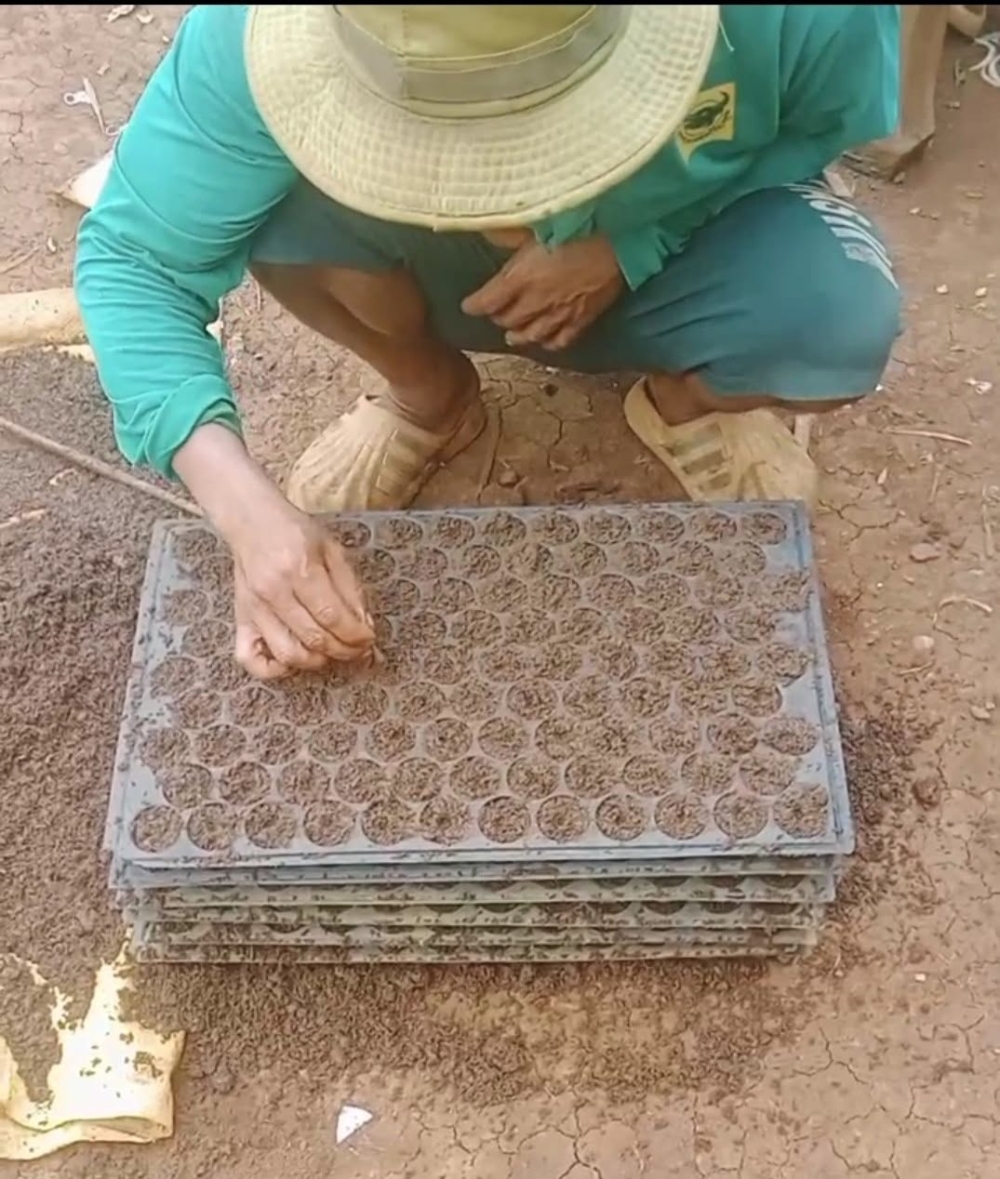
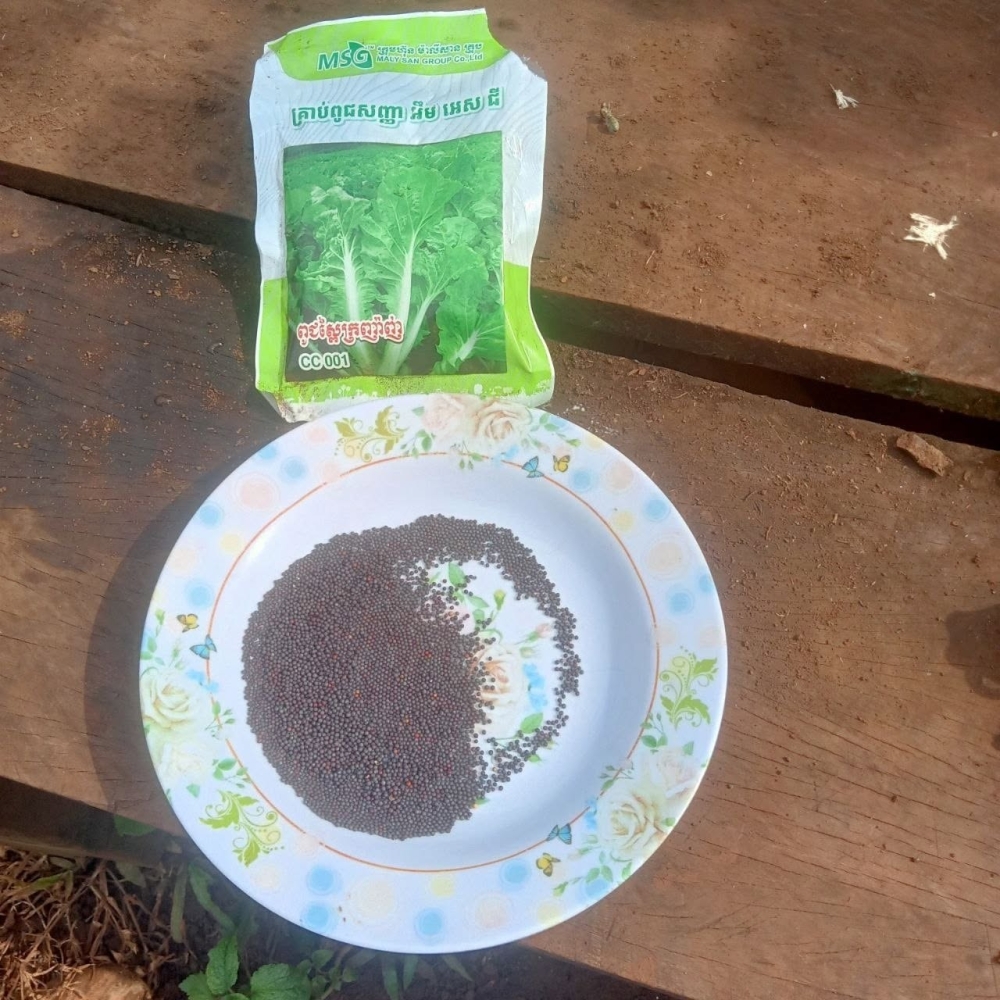
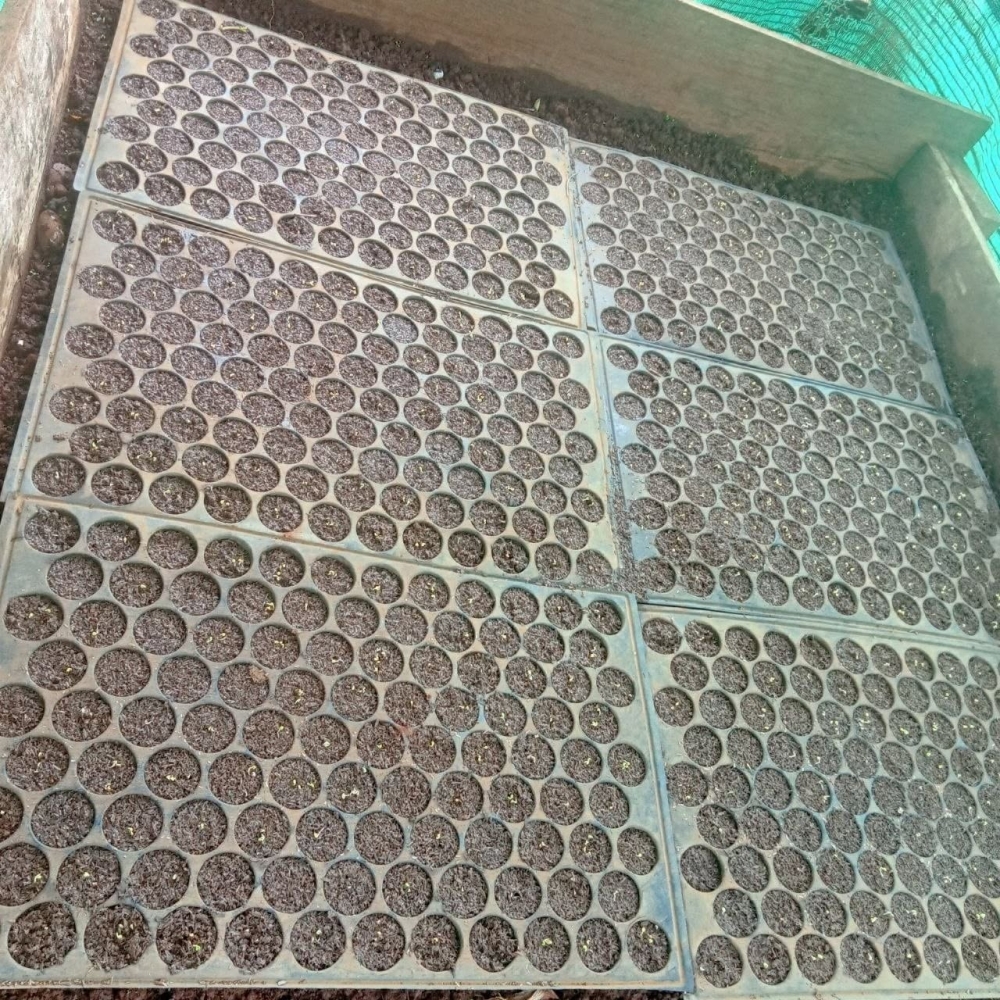
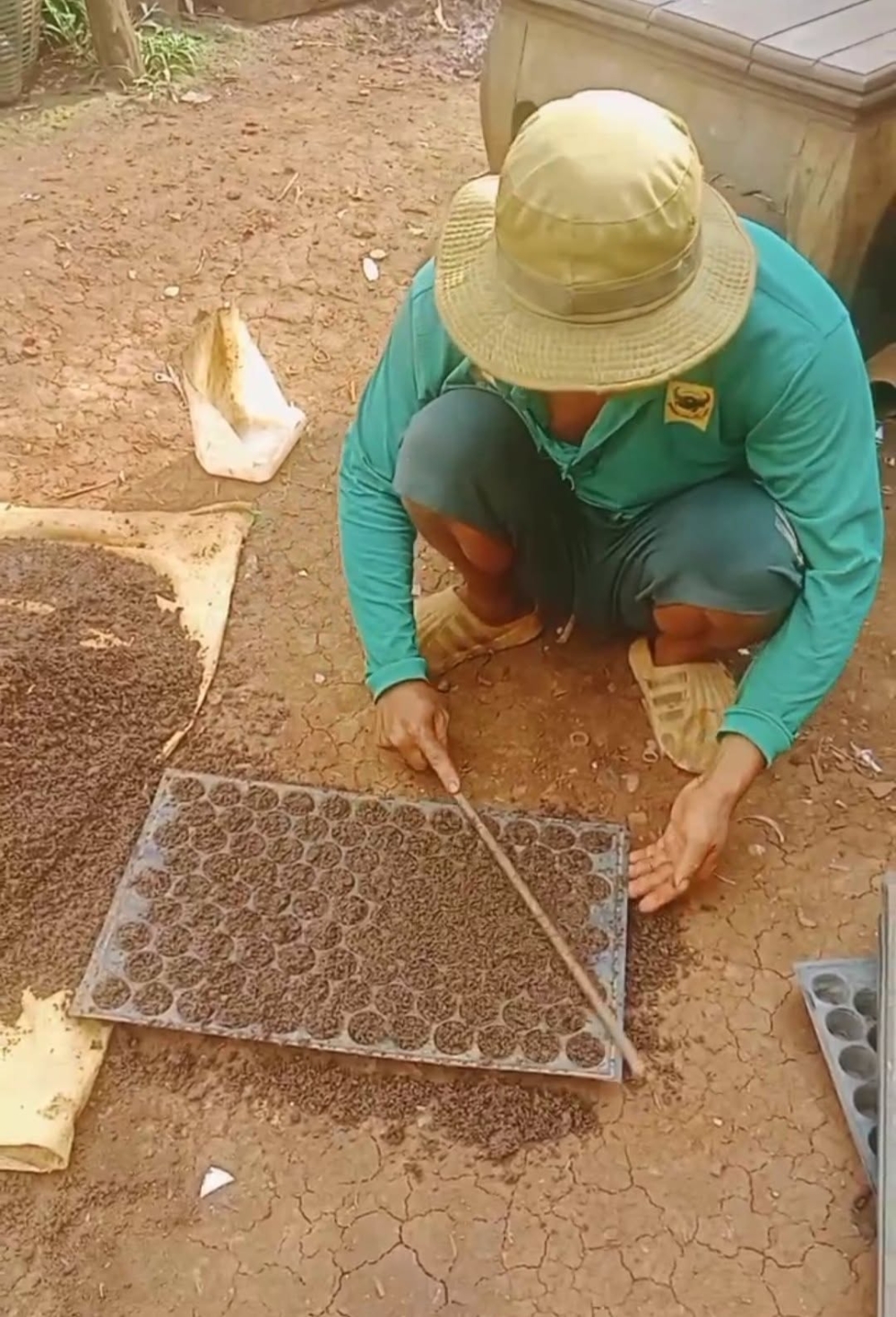
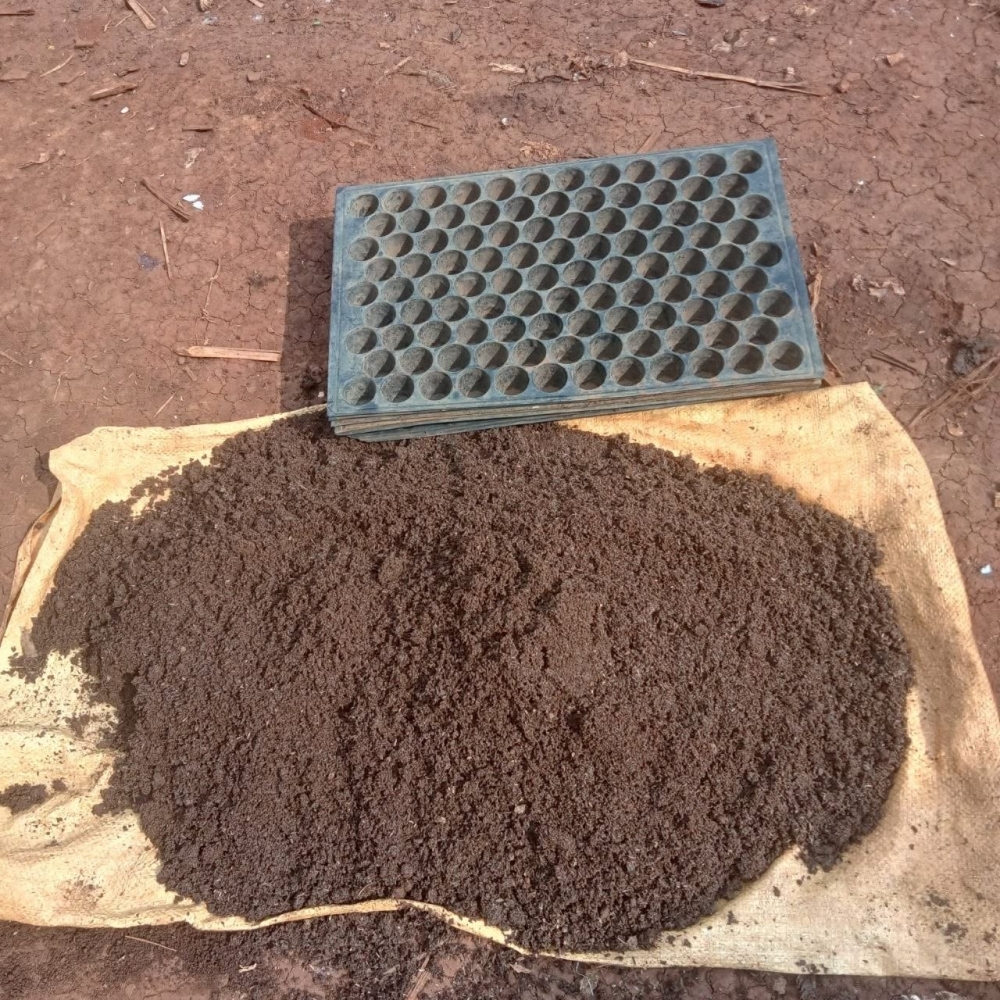
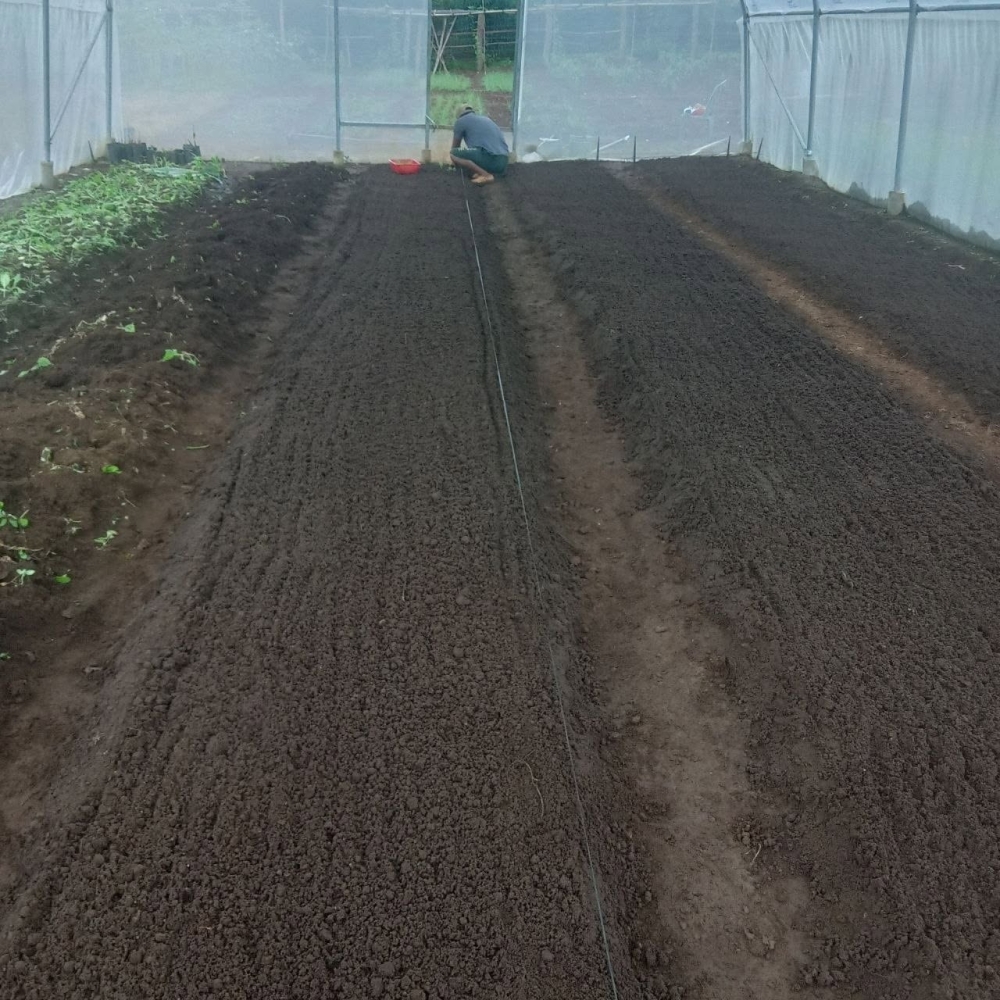
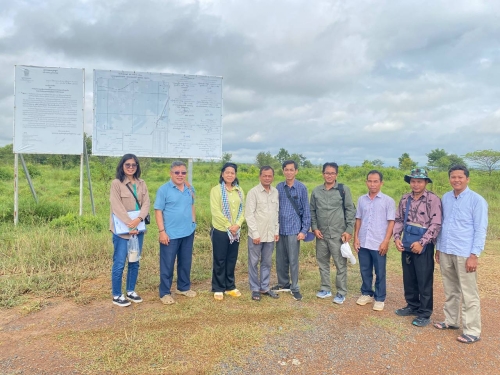
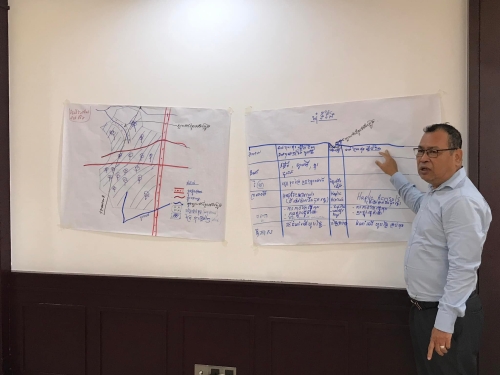
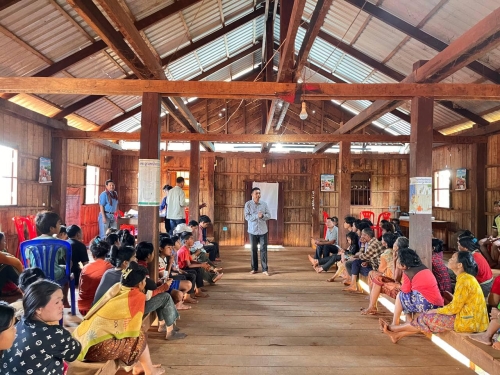
កន្លងមក តាមរយៈការបណ្តុះបណ្តាលសាលារៀនស្រែកសិករ ក្រោមជំនួយគាំទ្ររបស់គម្រោងបែងចែកដីសម្បទានសង្គមកិច្ច និងការអភិវឌ្ឍសេដ្ឋកិច្ច ដំណាក់កាលទី៣ (LASED III) ដោយផ្តោតលើការគាំទ្រ និងបង្កើនជីវភាពរស់នៅរបស់អ្នកទទួលផល ជាពិសេសសហគមន៍ជនជាតិដើមភាគតិច កសិករនៅភូមិអណ្ដូងក្រឡឹង ឃុំសែនមនោរម្យ ស្រុកអូររាំង ខេត្តមណ្ឌលគិរី បានអនុវត្តការដាំដុះបន្លែក្នុងផ្ទះសំណាញ់ ជាមួយបច្ចេកទេសច្បាស់លាស់ ដែលបានណែនាំ និងបង្ហាត់បង្ហាញដោយមន្ត្រីបច្ចេកទេសគម្រោង។
ការប្រើប្រាស់បច្ចេកវិទ្យាផ្ទះសំណាញ់ទំនើបនេះ បានជួយឱ្យការដាំដុះដំណាំបន្លែរបស់ពួកគាត់លូតលាស់បានល្អ និងមានភាពងាយស្រួលក្នុងការថែទាំ។ បន្ថែមពីនេះ គម្រោងក៏បានបង្កើតឱ្យមានបរិយាកាសនៃការផ្លាស់ប្តូរ និងចែករំលែកបទពិសោធន៍គ្នាទៅវិញទៅមកយ៉ាងសកម្ម រវាងកសិករ និងកសិករនៅក្នុងភូមិ តាមរយៈការចុះទៅសង្កេតផ្ទាល់នៅតាមរោងផ្ទះសំណាញ់របស់គ្នាទៅវិញទៅមក ការជជែកពិភាក្សាពីបញ្ហាប្រឈម និងការបង្ហាញពីបច្ចេកទេសជោគជ័យដែលបានអនុវត្តជាក់ស្តែង។
ស្មារតីនៃការជួយជ្រោមជ្រែង និងចែករំលែកចំណេះដឹងគ្នាពីកសិកមួយទៅកសិករមួយទៀតនេះ មិនត្រឹមតែជួយឱ្យកសិករផ្សេងទៀតក្នុងសហគមន៍អាចរៀនសូត្រ និងអនុវត្តតាមបានឆាប់រហ័សប៉ុណ្ណោះទេ ប៉ុន្តែថែមទាំងបានពង្រឹងមិត្តភាព និងកិច្ចសហការក្នុងភូមិឱ្យកាន់តែជិតស្និទ្ធ ដែលរួមចំណែកយ៉ាងសំខាន់ក្នុងការលើកកម្ពស់ជីវភាពរស់នៅរបស់គ្រួសារកសិករក្នុងតំបន់ឱ្យកាន់តែប្រសើរឡើង និងមានរីកចម្រើនទាំងអស់គ្នាផងដែរ។
—-
Net Houses Help Improve the Livelihoods of Farmers in Andoung Kraloeng Village
In the past, through Farmer Field School training supported by the Land Allocation for Social and Economic Development Project Phase III (LASED III)—focusing on supporting and improving the livelihoods of beneficiaries, particularly indigenous communities—farmers in Andoung Kraloeng village, Sen Monorom commune, Ou Reang district, Mondulkiri province, have practiced vegetable cultivation in net houses using clear techniques guided and demonstrated by the project's technical officers.
The use of this modern net house technology has helped their vegetable crops grow well and made them easy to maintain. Furthermore, the project has created an environment for active mutual exchange and experience-sharing among farmers within the village through peer-to-peer site visits to each other's net houses, discussions on challenges, and demonstrations of practical, successful techniques.
This spirit of mutual support and peer-to-peer knowledge sharing not only enables other farmers in the community to learn and adapt quickly, but also strengthens solidarity and closer cooperation within the village, contributing significantly to uplifting the livelihoods of local farming families and advancing joint community development.