[Eng-Below]
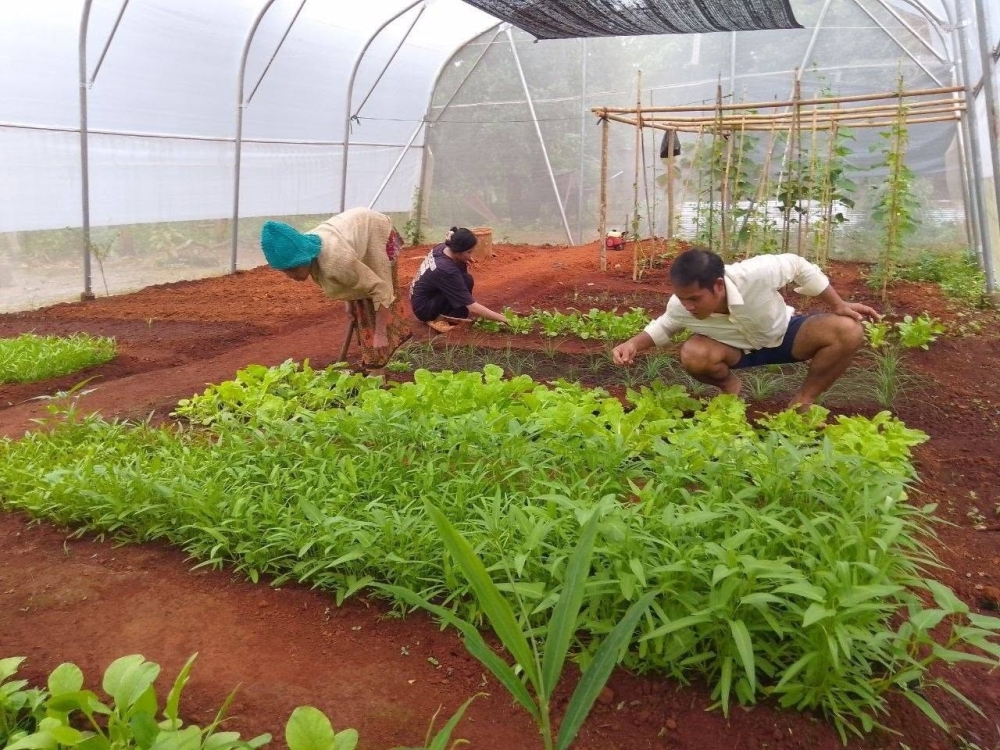
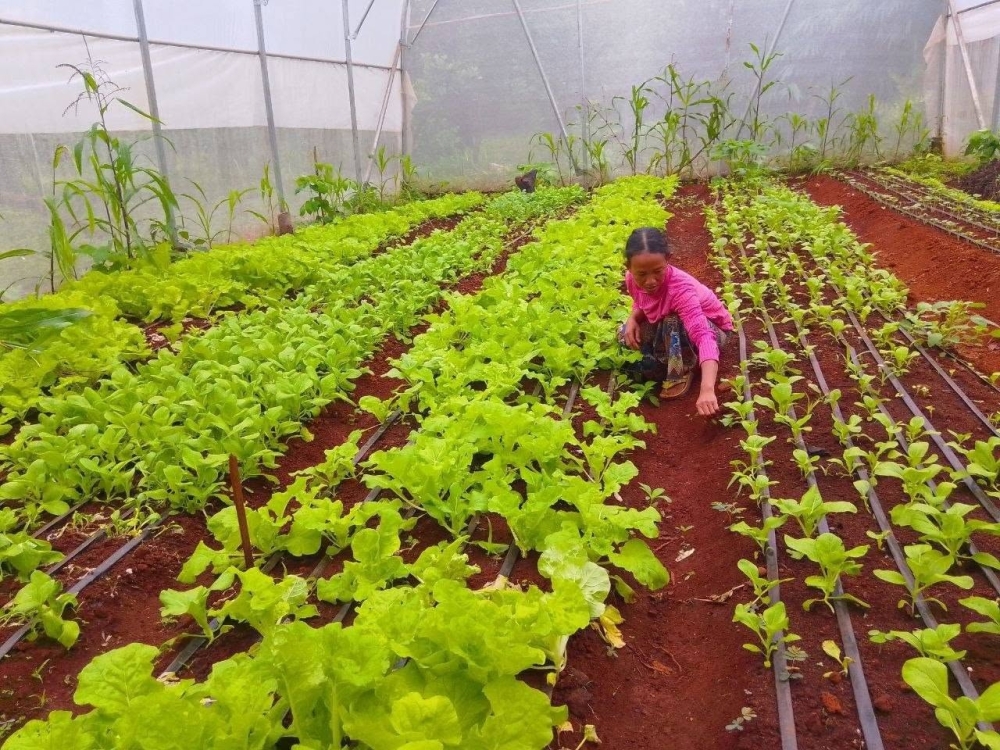
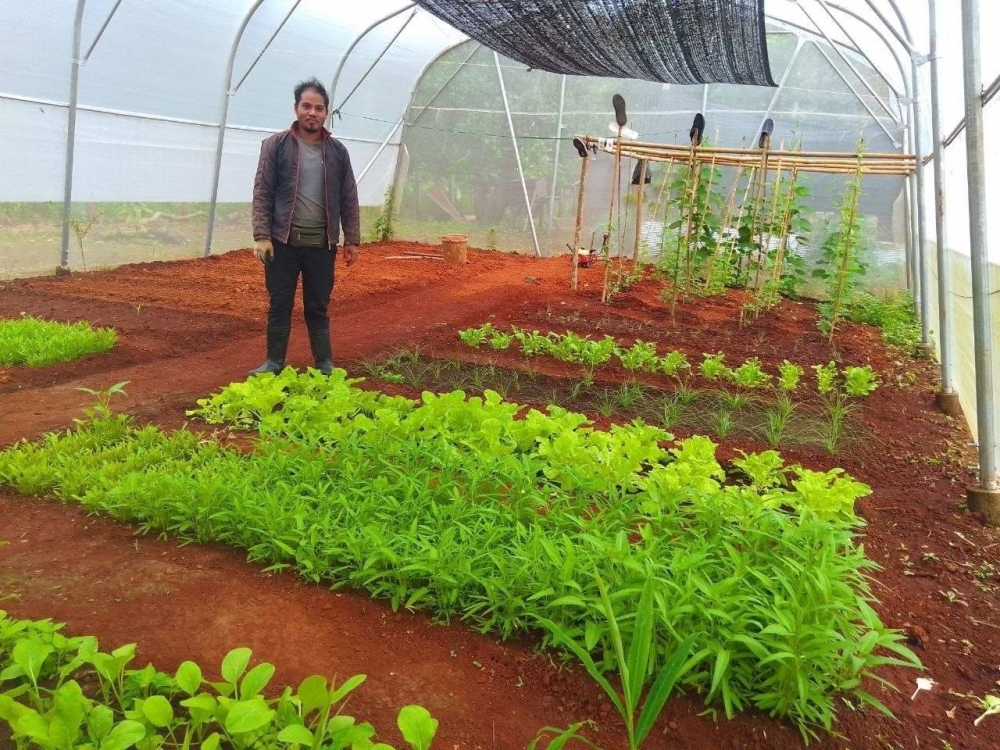
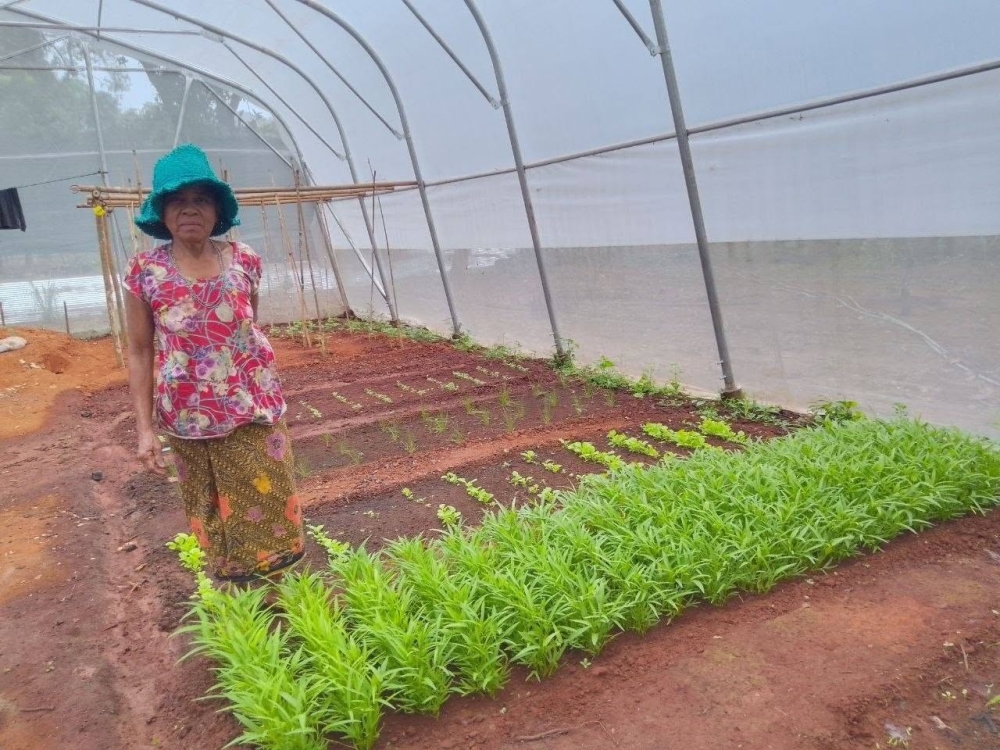
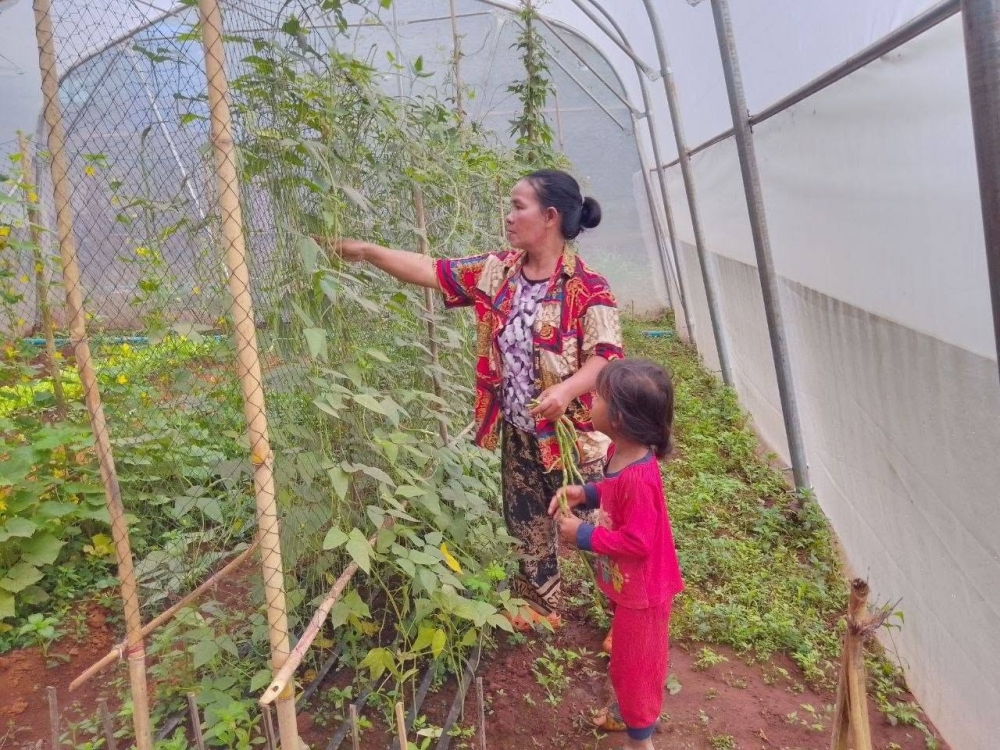
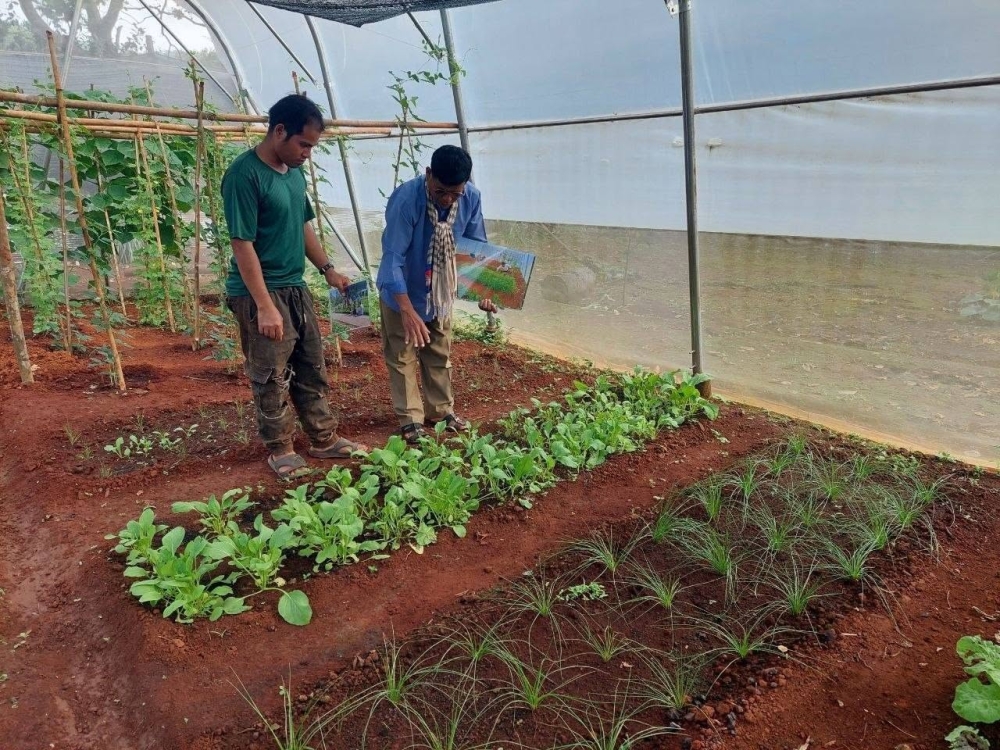
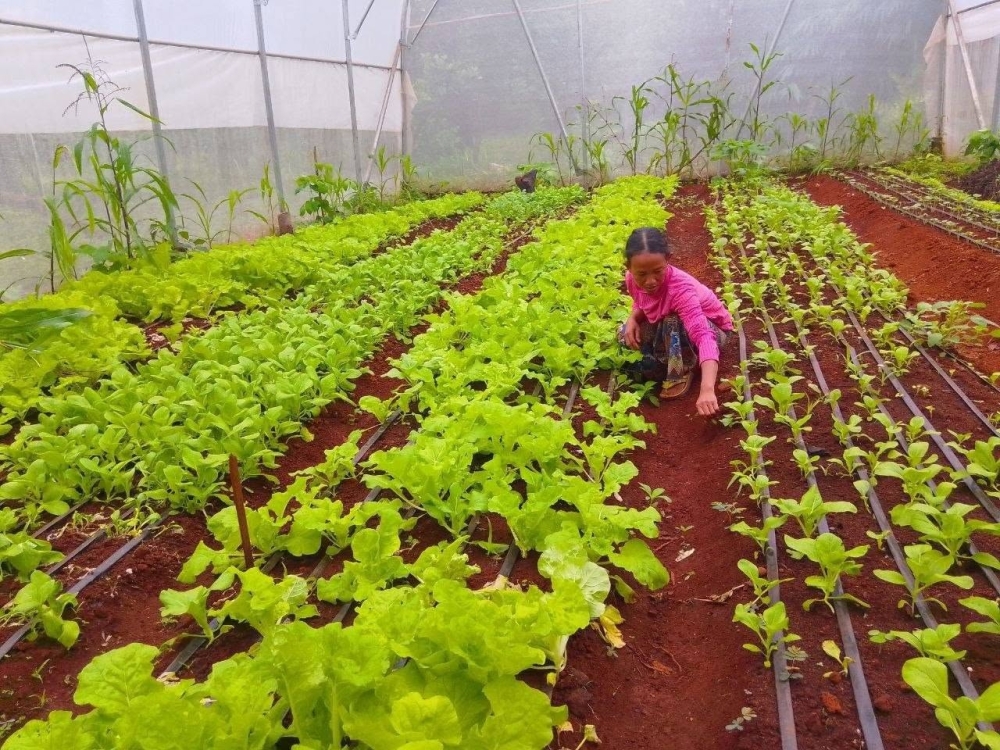
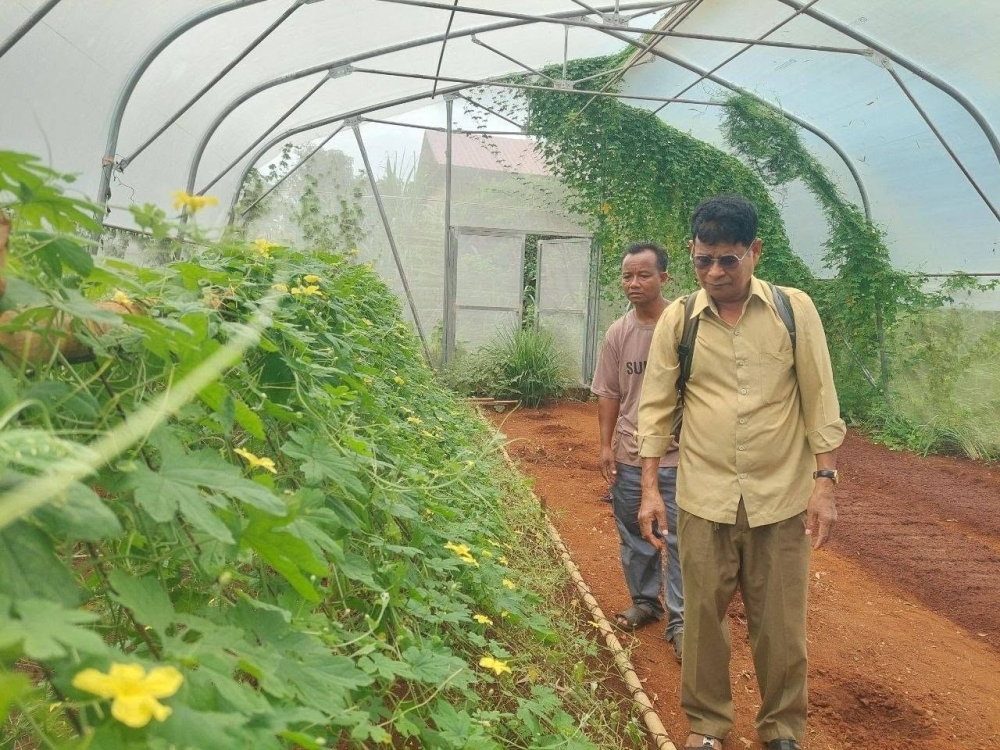
ក្រុមផលិតបន្លែភូមិទុនជោគជ័យ នៅភូមិទុន ឃុំតាវែងក្រោម ស្រុកតាវែង ខេត្តរតនគិរី ក្រោមការគាំទ្ររបស់គម្រោង LASED III អាចដាំដុះដំណាំបន្លែដែលមានគុណភាព និងអាចរកប្រាក់ចំណូលបន្ថែមសម្រាប់ជួយជីវភាពគ្រួសារ។
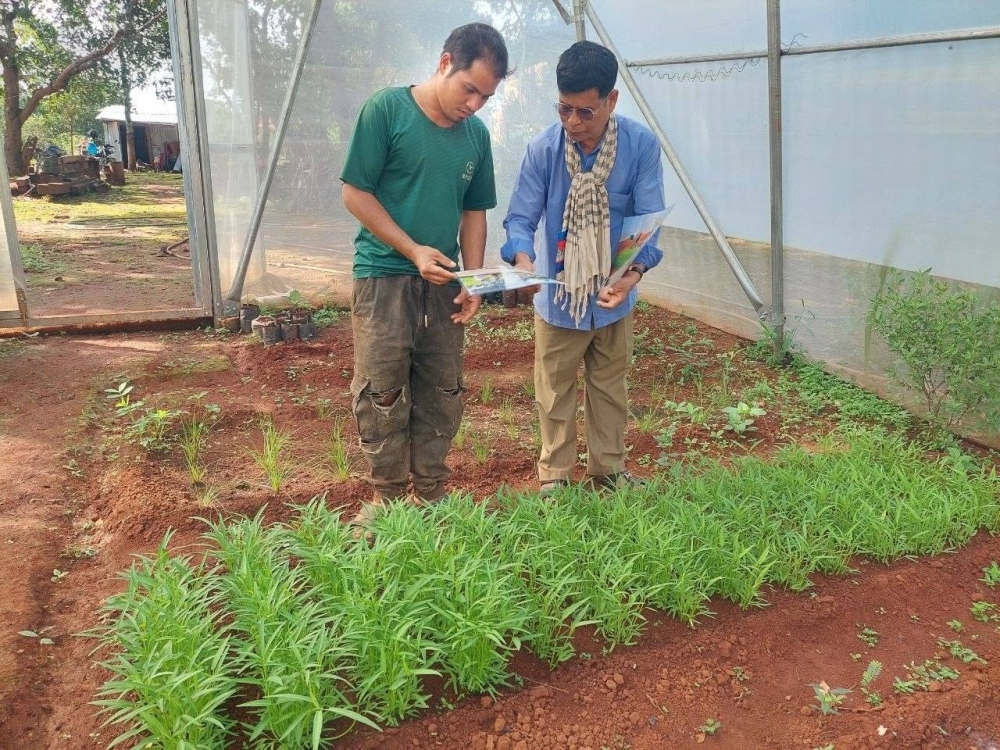
ក្រុមនេះមានសមាជិកសរុប ៣៦ គ្រួសារ (ស្ត្រី ១៧នាក់)។ ក្នុងចំណោមសមាជិកទាំងនេះមាន ១០ គ្រួសារ បានទទួលផ្ទះសំណាញ់ ដែលគម្រោងបានផ្តល់ជូន ដោយប្រើបច្ចេកទេសថ្មីសម្រាប់អនុវត្តការដាំដុះបន្លែ។
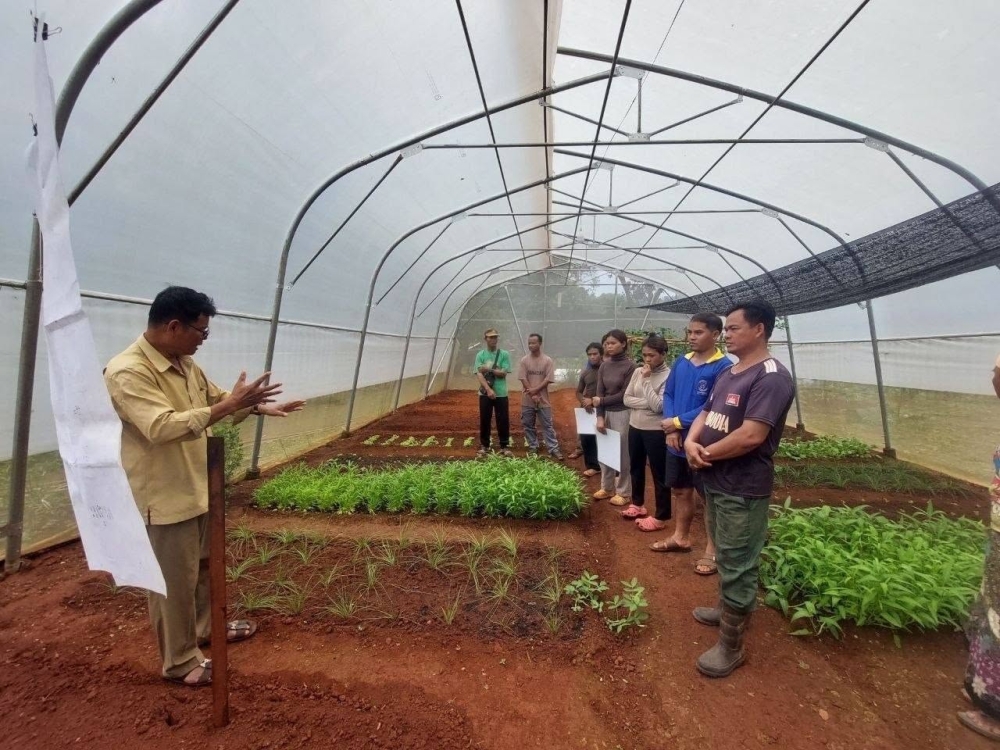
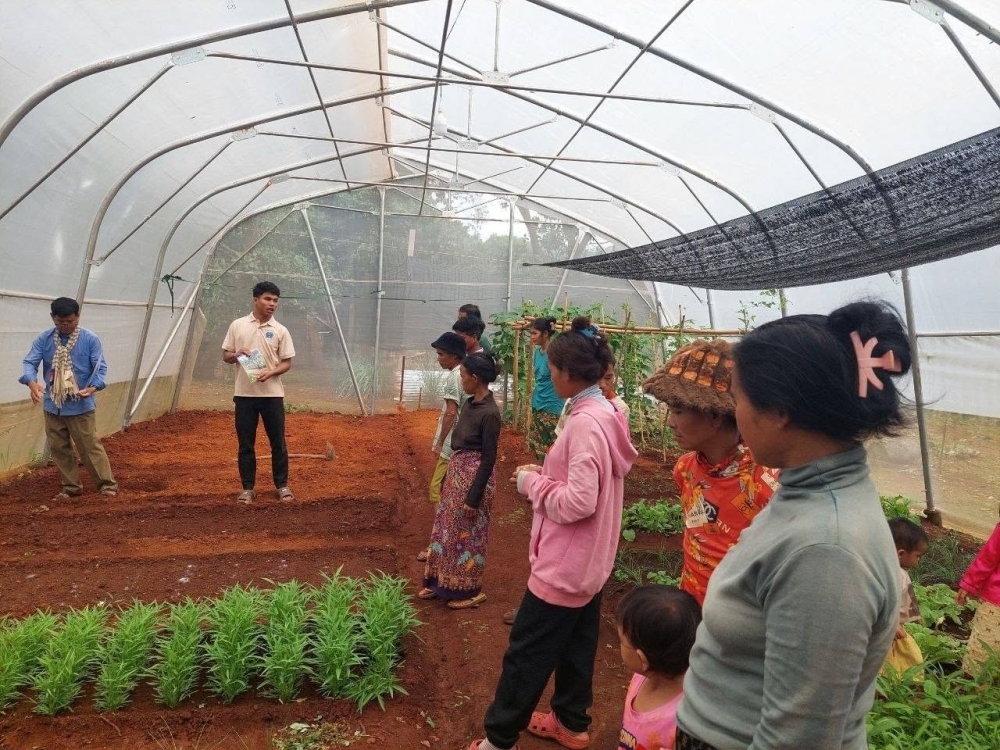
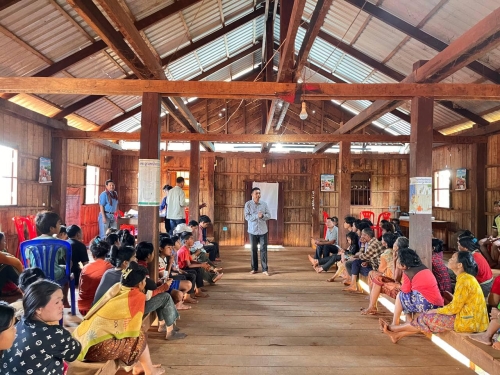
កន្លងមកសមាជិកក្នុងសហគមន៍មិនធ្លាប់មានបទពិសោធន៍ដាំបន្លែក្នុងផ្ទះសំណាញ់នោះទេ។ ក្រោយមកដោយមានការគាំទ្រពីគម្រោង LASED III តាមរយៈការបណ្តុះបណ្តាលសាលារៀនស្រែកសិករ លើបច្ចេកទេសដំណាំបន្លែ ពួកគាត់បានចាប់ផ្តើមអនុវត្តការដាំដុះជាបន្តបន្ទាប់។ តាមរយៈការណែនាំ និងការខិតខំប្រឹងប្រែងរបស់សមាជិក ការដាំបន្លែក្នុងផ្ទះសំណាញ់បានក្លាយជាបទពិសោធន៍ថ្មីមួយសម្រាប់គ្រួសារនៅក្នុងសហគមន៍។
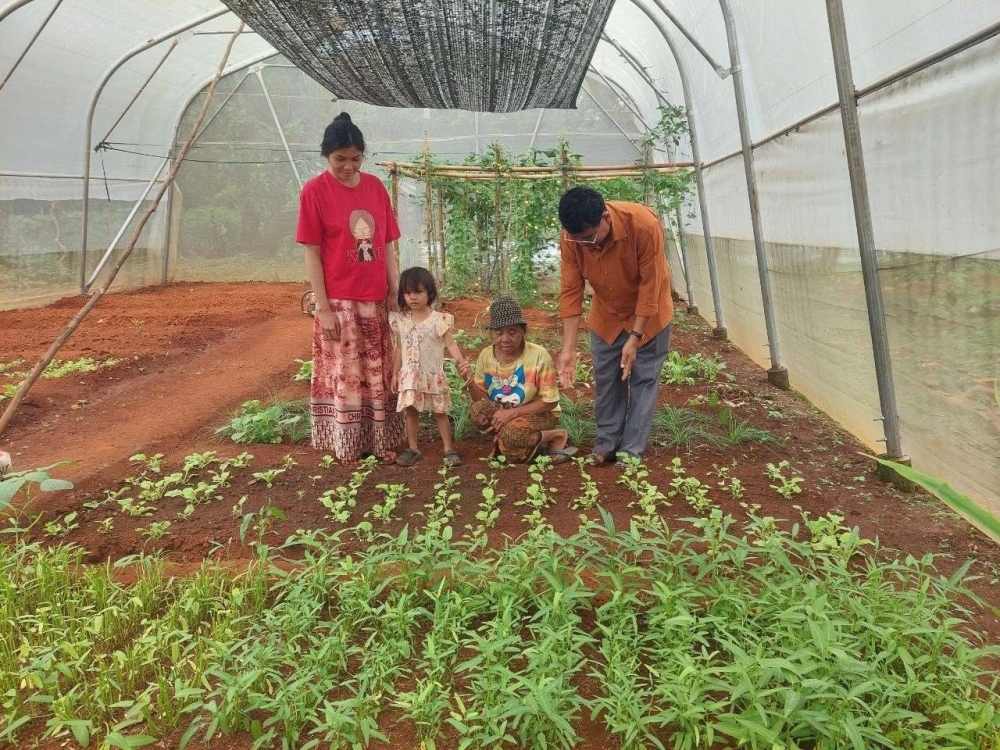
ជាលទ្ធផល គ្រួសារមួយចំនួនអាច ដាំបន្លែសម្រាប់បរិភោគក្នុងគ្រួសារ និងអាចរកចំណូលបន្ថែម សម្រាប់ការផ្គត់ផ្គង់ជីវភាពគ្រួសារ។ អ្វីដែលសំខាន់ជាងនេះ គឺការដាំបន្លែដោយខ្លួនឯង បានជួយឱ្យគ្រួសាររបស់ពួកគាត់កាត់បន្ថយការចំណាយលើការទិញបន្លែពីខាងក្រៅ ជៀសពីប្រភពមិនច្បាស់ ដែលអាចនាំបញ្ហាដល់សុខភាព ក្នុងការបរិភោគ។
នេះជាជំហានដំបូងនៃការរៀនសូត្រ និងការផ្លាស់ប្តូររបស់បងប្អូនជនជាតិដើមភាគតិចគ្រឹង ពីការដាំដុះតាមទម្លាប់ ឆ្ពោះទៅរក ការផលិតបន្លែដែលមានចំណេះដឹងច្បាស់លាស់ បច្ចេកវិទ្យាថ្មី នាំអោយបន្លែមានគុណភាព ទទួលបានទិន្នផលច្រើនជាងមុន និងអាចបង្កើតចំណូលសម្រាប់គ្រួសារ។
The Tun Successful Vegetable Production Group in Tun Village, Ta Veng Kraom Commune, Ta Veng District, Ratanakiri Province—supported by the LASED III project—is capable of cultivating high-quality vegetable crops and generating additional income to support family livelihoods. The group consists of a total of 36 member families (17 women).
Among these members, 10 families received net houses provided by the project, utilizing new techniques to practice vegetable farming.
Previously, community members had no experience growing vegetables in net houses. Later, with support from the LASED III project through Farmer Field School training on vegetable crop techniques, they began implementing farming step-by-step. Through guidance and the members' hard work, growing vegetables in net houses has become a new experience for families in the community.
As a result, several families can grow vegetables for home consumption and earn extra income to support their daily living. More importantly, growing their own vegetables helps their families reduce expenses on buying external produce from uncertain sources, which could pose health risks upon consumption.
This marks the first step of learning and transformation for the Kreung indigenous people, moving from traditional cultivation toward vegetable production backed by clear knowledge and new technology. This shift leads to higher-quality vegetables, greater yields than before, and the ability to generate income for their families.